African Centre For Environment, Energy and Climate Advocacy

African Centre For Environment, Energy and Climate Advocacy
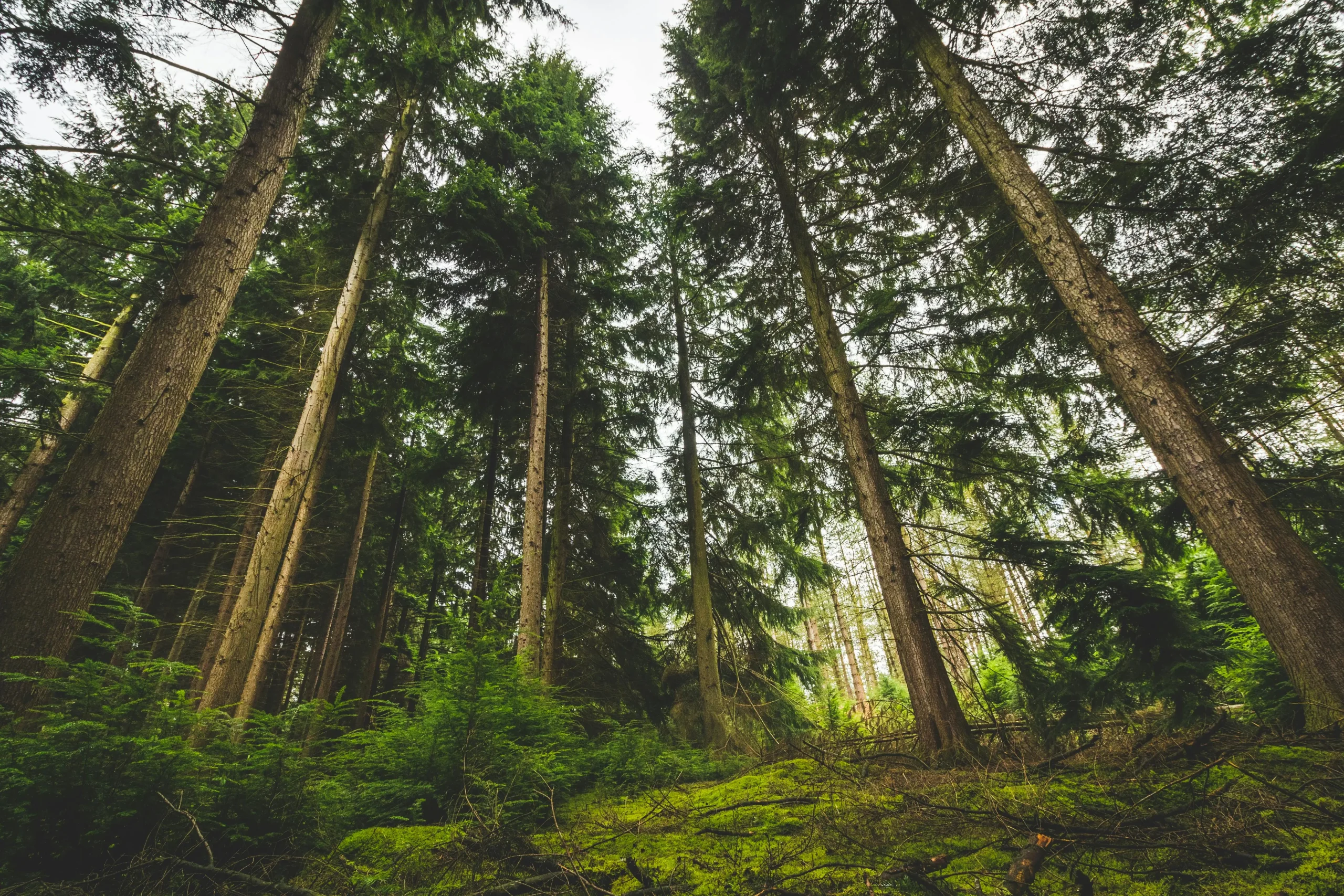
However, these sacred landscapes face unprecedented threats: illegal logging, unsustainable land use, encroachment, and the growing impacts of climate change. Recognizing the urgency, the African Centre for Environment, Energy, and Climate Advocacy (ACEECA) has made indigenous forest conservation a core pillar of its environmental mission. ACEECA’s approach combines community empowerment, policy influence, scientific research, and large-scale restoration.
Indigenous forest conservation matters because these ecosystems form the foundation of Kenya’s ecological stability, cultural heritage, and community well-being. These forests are home to a remarkable variety of species uniquely adapted to local conditions. Trees such as the East African cedar, African olive, podo, and diverse fig species thrive in Kenya’s natural climate patterns and soil types, creating habitats for rare birds, mammals, insects, fungi, and microorganisms—many of which cannot be found anywhere else on the planet. This rich biodiversity makes indigenous forests irreplaceable reservoirs of life.
Beyond supporting wildlife, indigenous forests play a critical role in maintaining climate stability. Their slow-growing, long-living trees store large amounts of carbon, making them powerful natural allies against global warming. Their dense canopies moderate local temperatures, slow wind speeds, and help retain moisture in the environment. This natural regulation helps buffer communities from the harsh impacts of climate change, such as prolonged droughts and extreme heat.
These forests are also vital to Kenya’s agricultural productivity and community livelihoods. They protect the country’s most important water sources—springs, rivers, wetlands, and underground aquifers—ensuring a reliable supply of water for farming, livestock, and domestic use. Indigenous forests also provide communities with important resources including traditional medicinal plants, wild foods, and materials that support cultural practices passed down through generations. In essence, conserving these forests safeguards biodiversity, strengthens climate resilience, and protects the livelihoods and heritage of millions of Kenyans.
Conserving indigenous forests brings a wide range of ecological, climatic, and socioeconomic benefits that are essential for Kenya’s long-term sustainability. These forests serve as vital biodiversity hotspots, providing safe habitats for endangered species and protecting the genetic diversity that sustains natural food chains and ecosystem stability. By preserving these native ecosystems, we ensure the survival of countless plant and animal species that contribute to Kenya’s natural heritage.
Indigenous forests also play a critical role in climate mitigation. Their mature trees absorb and store significant amounts of carbon dioxide for decades, making them one of the most powerful natural solutions for reducing greenhouse gases. Protecting these forests directly contributes to slowing global warming and strengthening Kenya’s resilience against climate-related challenges.
In addition to climate benefits, indigenous forests are indispensable for water regulation and soil protection. They act as natural water catchments, capturing rainfall and slowly releasing it into rivers, wetlands, and underground aquifers. Their dense root systems stabilize the soil, preventing erosion and maintaining healthy groundwater levels. This reduces the risk of floods and landslides while supporting agricultural productivity and safeguarding nearby communities.
Culturally, indigenous forests hold deep meaning for many Kenyan communities. They are places of spiritual significance, sources of traditional medicinal plants, and key attractions for eco-tourism. These forests also support sustainable livelihoods through activities like beekeeping, herbal product development, and cultural tourism. By conserving indigenous forests, Kenya protects not only its environment but also the cultural identity, economic well-being, and resilience of its people.
ACEECA’s indigenous forest conservation efforts are rooted in the belief that lasting environmental protection begins with people. Through community engagement and environmental education initiatives—such as workshops, school programs, and local forums—ACEECA empowers communities to play an active role in restoring and safeguarding their forests. Special emphasis is placed on educating youth and women’s groups, recognizing their central role in sustaining long-term conservation practices.
A core component of ACEECA’s work is its tree-planting campaigns, which prioritize indigenous species over exotic alternatives. By focusing on native trees, the organization helps strengthen biodiversity and support resilient ecosystems. Planting activities are strategically carried out in degraded forest zones, riparian areas, water catchment landscapes, and fragile environments prone to erosion, thereby promoting forest health and improving the landscape’s ability to withstand climate shocks.
To complement on-the-ground activities, ACEECA is deeply involved in policy advocacy, collaborating closely with government agencies, county environmental departments, conservation networks, and environmental policymakers. Through these partnerships, the organization champions stricter forest protection laws, responsible logging practices, and the safeguarding of community rights in forest management.
ACEECA also promotes sustainable forest management practices that balance conservation with local livelihoods. Initiatives such as ecotourism, beekeeping, agroforestry, the harvesting of non-timber forest products, and responsible resource use offer communities alternative income sources while preserving natural habitats. These efforts create a harmonious relationship between people and their environment.
Research and monitoring form the foundation of ACEECA’s conservation strategies. By studying forest regeneration patterns, assessing climate impacts, tracking indigenous species recovery, and identifying threats and conservation gaps, the organization ensures that its interventions are evidence-based and responsive to emerging challenges. Data-driven decision-making enables ACEECA to design programs that are both effective and sustainable, ultimately contributing to healthier, more resilient forest ecosystems.
Indigenous tree species such as cedar, African olive, wild olive, and fig trees play irreplaceable roles within their ecosystems. These native species provide crucial shelter and food for wildlife, support essential pollinators like bees and butterflies, maintain soil fertility, and help regulate water flow and microclimates. Their deep-rooted connection to the local environment enables them to thrive naturally, creating stable habitats that sustain both biodiversity and community livelihoods. Unlike many exotic species, indigenous trees tend to live longer, adapt more effectively to local climatic and soil conditions, and support a wider range of plant and animal species, making them vital to ecological balance and forest resilience.
Illegal logging and charcoal burning continue to pose a major threat to indigenous forests, with high demand for timber and fuel driving the large-scale destruction of valuable species such as cedar and podo. At the same time, land encroachment and agricultural expansion—often fueled by rapid population growth—push communities to clear forested areas for farming, grazing, and settlement. These pressures are further compounded by climate change, as rising temperatures, irregular rainfall patterns, and prolonged droughts weaken forest ecosystems and slow their natural regeneration. Together, these challenges place immense strain on Kenya’s indigenous forests, making conservation efforts more urgent than ever.
Addressing the threats facing indigenous forests requires a combination of sustainable alternatives and community-centered strategies. ACEECA promotes the use of environmentally friendly substitutes for timber, including fast-growing bamboo, eco-friendly construction materials, and energy-saving stoves that reduce dependence on charcoal. To further ease pressure on forest ecosystems, ACEECA supports climate-smart agriculture and agroforestry, integrating trees into farming systems to boost soil health, increase yields, and provide additional sources of firewood and income. In addition, the organization invests in reforestation and natural regeneration efforts, restoring degraded landscapes with indigenous seedlings and safeguarding recovering areas from activities such as grazing and uncontrolled tree harvesting. Through these interventions, ACEECA helps communities adopt practices that protect forests while securing sustainable livelihoods.
ACEECA envisions a future where Kenya’s indigenous forests are thriving, protected, and steadily expanding. The organization is committed to strengthening community-led forest conservation by empowering local groups to take an active role in safeguarding their natural resources. It also plans to scale up tree-planting programs across counties, ensuring that indigenous species are restored in critical ecosystems nationwide. Through continuous engagement with policymakers, ACEECA seeks to influence national forest policies and promote ecological restoration as a key climate solution. Working hand in hand with partners and communities, the organization hopes to secure Kenya’s green heritage and pass on healthier, more resilient forests to future generations.
Kenya’s indigenous forests are invaluable assets—rich in biodiversity, vital for water security, and essential for climate stability. ACEECA’s conservation efforts offer hope for restoring and protecting these fragile ecosystems through community involvement, policy advocacy, sustainable practices, and science-based interventions. By working together, we can preserve Kenya’s natural heritage and secure a greener, healthier future for generations to come.
Indigenous forests are naturally occurring forests composed of tree species native to a specific region.
They protect biodiversity, regulate water, store carbon, and support cultural traditions.
Through community engagement, tree planting, policy advocacy, research, and sustainable forest management.
Cedar, African olive, podo, bamboo, and various fig species.
You can volunteer, donate, join tree planting events, or partner with ACEECA on conservation projects.