Role of Rural Women as Agents of Climate Change Mitigation: Why Development Organizations Must Work With Women
Introduction: Where Climate Action Begins
Climate change often feels like a global problem discussed in conference halls, policy documents, and international summits. But far away from microphones and boardrooms, real climate action is happening quietly on small farms, along riverbanks, and within rural communities. And at the center of this action are rural women. These women may not call themselves climate activists, yet every day they make decisions that influence soil health, food systems, water conservation, and ecosystem restoration.
In Kenya’s rural landscapes, particularly in regions like Tharaka Nithi County, women are the backbone of agriculture and household resilience. They plant, nurture, harvest, fetch water, prepare food, and care for families all while navigating the increasing pressures of climate change. Recognizing this reality, organizations like ACEECA have taken a deliberate stand: meaningful climate action must start with women.
The Silent Backbone: Rural Women at the Frontlines of Climate Change
Rural women are often described as “vulnerable” to climate change, but that description only tells half the story. Yes, they face disproportionate risks, failed crops, water shortages, food insecurity, but they are also among the most powerful agents of change. Women hold deep indigenous knowledge of land, seasons, and biodiversity. They understand when rains should come, which crops survive drought, and how ecosystems respond to stress.
Despite this, their role is frequently overlooked. Development programs have historically focused on infrastructure, technology, or markets without fully integrating women’s voices. Yet without women’s participation, climate solutions rarely take root. Rural women are not just beneficiaries of climate projects; they are implementers, innovators, and custodians of sustainability.
Why Climate Change Hits Rural Women Hardest
Climate change does not affect everyone equally. For rural women, its impacts are deeply personal and immediate.
Food insecurity and nutrition
Women are responsible for household food production and preparation. When droughts reduce yields or floods destroy crops, women must stretch limited resources to feed families. Malnutrition often follows, especially among children and pregnant mothers.
Water scarcity and care burdens
As rivers dry up and water points disappear, women walk longer distances to fetch water. This increases physical strain, reduces time for income-generating activities, and exposes them to health risks. Climate change amplifies existing inequalities, turning daily chores into survival challenges.
Women as Natural Climate Stewards
Women’s daily interaction with natural resources places them in a unique position to protect and restore ecosystems. From seed selection to soil management, women make countless micro-decisions that influence environmental outcomes. Their traditional practices such as mixed cropping, mulching, and tree preservation align closely with modern climate-smart agriculture.
When women are empowered with knowledge and resources, they become champions of climate mitigation. They adopt sustainable farming practices faster, share knowledge within communities, and ensure long-term stewardship of land and water resources.
Nature-Based Solutions and the Power of Agroforestry
Nature-based solutions are increasingly recognized as effective responses to climate change. Agroforestry—integrating trees with crops and livestock—is one such solution. It improves soil fertility, increases biodiversity, sequesters carbon, and provides diversified income streams.
Fruit tree orchards, in particular, offer a powerful combination of climate mitigation and livelihood improvement. Trees absorb carbon, stabilize soils, conserve water, and provide nutritious food. For rural women, fruit farming is not just an environmental solution—it is an economic lifeline.
ACEECA’s Vision: Women-Centered Climate Action
ACEECA’s approach to climate action is grounded in a simple but transformative belief: development works best when women lead. Rather than imposing solutions, ACEECA partners with communities, listens to women’s priorities, and builds capacity from the ground up.
Through initiatives such as the Restoration of Degraded Riparian Ecosystems Project and the Women-Led Fruit Farming for Nutrition & Economic Growth Project, ACEECA integrates climate resilience, environmental restoration, and economic empowerment into one holistic framework.
Why Development Organizations Must Work With Women
Working with women is not a matter of inclusion—it is a matter of effectiveness. Evidence consistently shows that projects involving women deliver stronger, more sustainable outcomes. Women reinvest income into families, prioritize nutrition, and protect communal resources.
Development organizations that fail to engage women risk designing solutions that do not fit local realities. By contrast, women-led initiatives tend to endure long after project funding ends. When women are empowered, entire communities become more resilient to climate shocks.
From Policy to Practice: ACEECA’s Community-Based Approach
ACEECA translates global climate commitments into practical, community-driven action. Training sessions, demonstrations, and peer learning are conducted within communities, ensuring accessibility and relevance. The organization prioritizes hands-on learning, recognizing that practical skills are more empowering than theoretical knowledge.
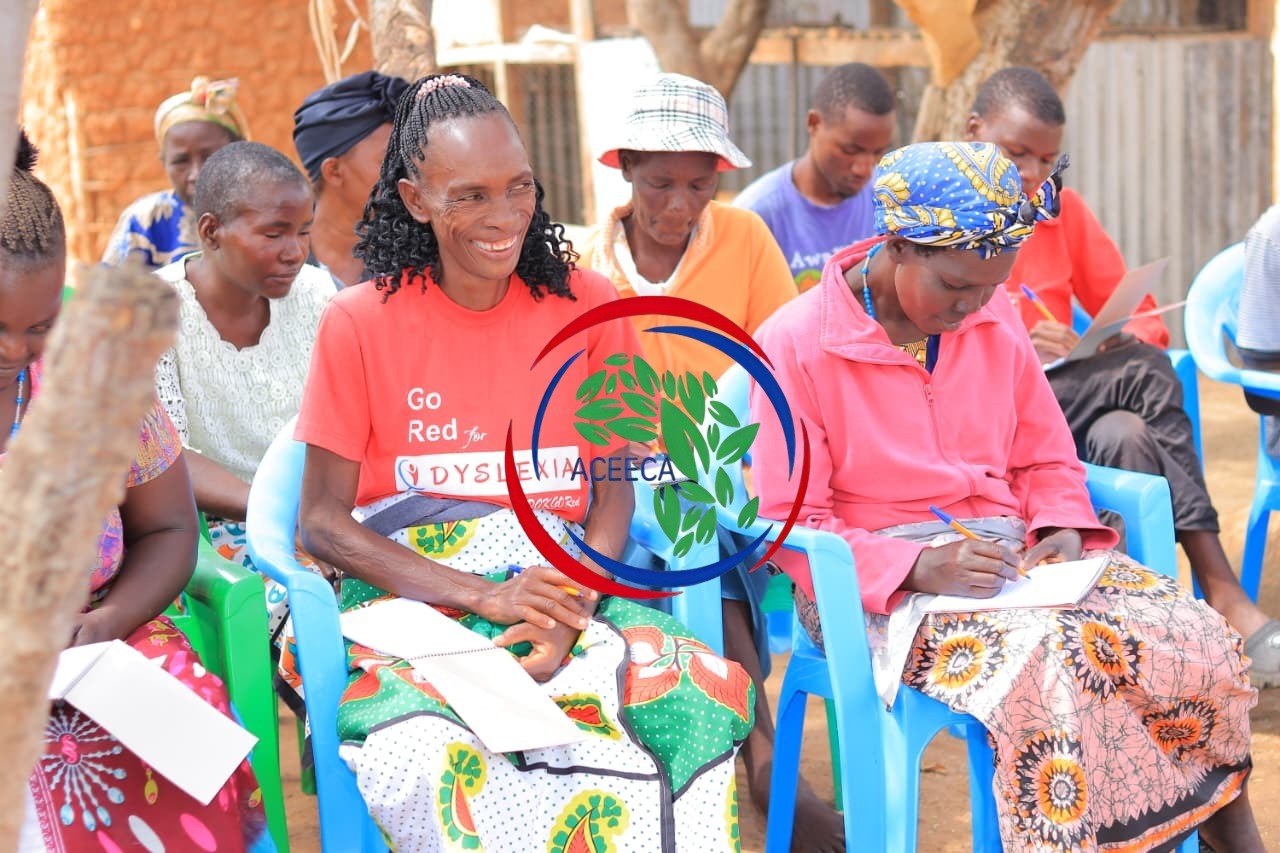
This approach came to life during the recent climate-smart agroforestry training held in Chiakariga Community near Materi Market.
Chiakariga Community: Where Climate Action Meets Reality
Chiakariga is a semi-arid area where livelihoods depend heavily on agriculture. Climate variability has made farming increasingly unpredictable. Erratic rainfall, land degradation, and declining soil fertility threaten food security and incomes.
Against this backdrop, ACEECA’s intervention offered more than training—it offered hope. By bringing women-led groups and youth together, the initiative fostered collective action and shared responsibility for climate resilience.
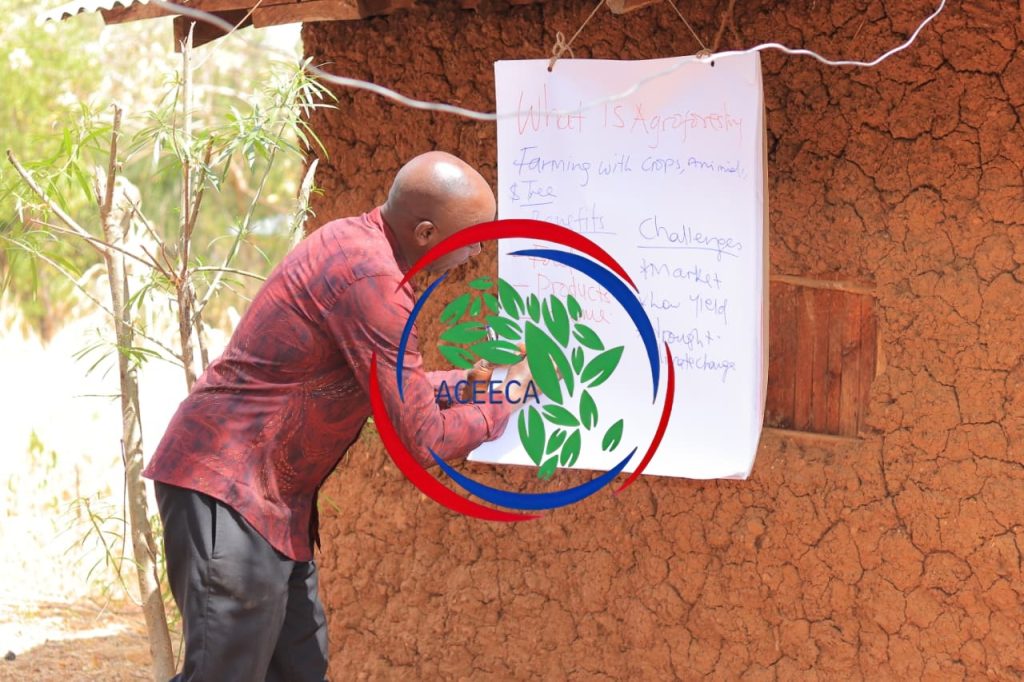
Climate-Smart Agroforestry Training at Materi Market
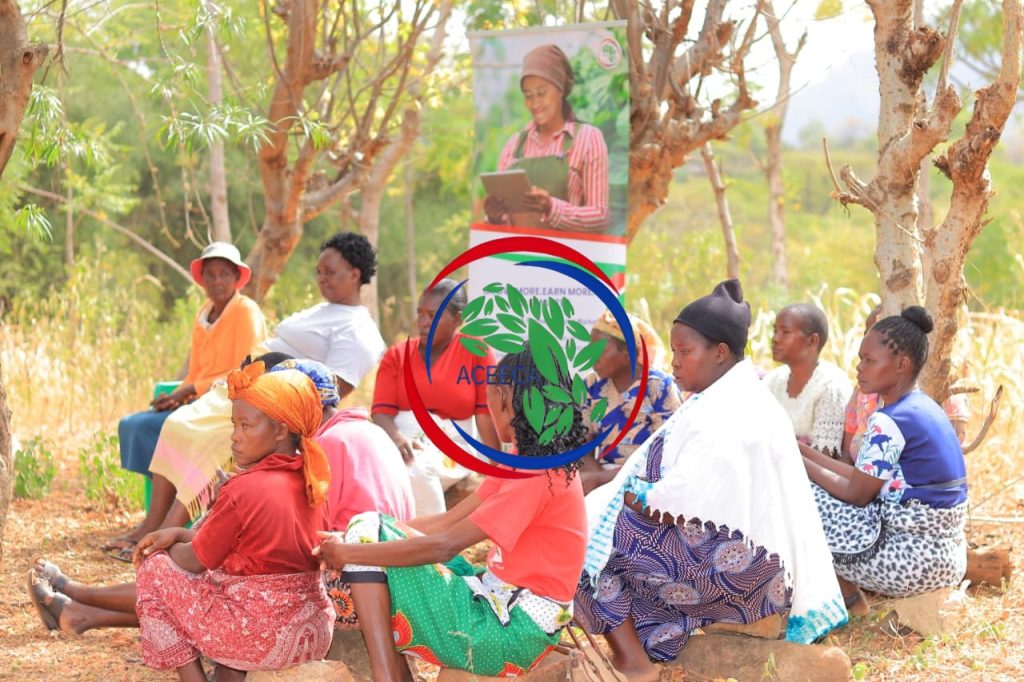
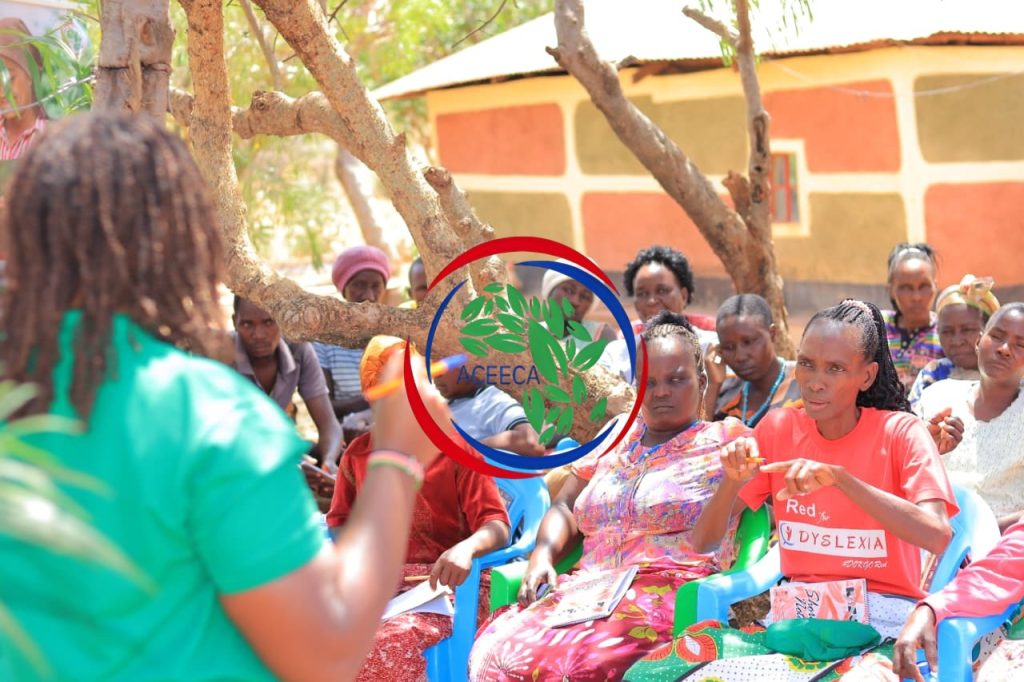
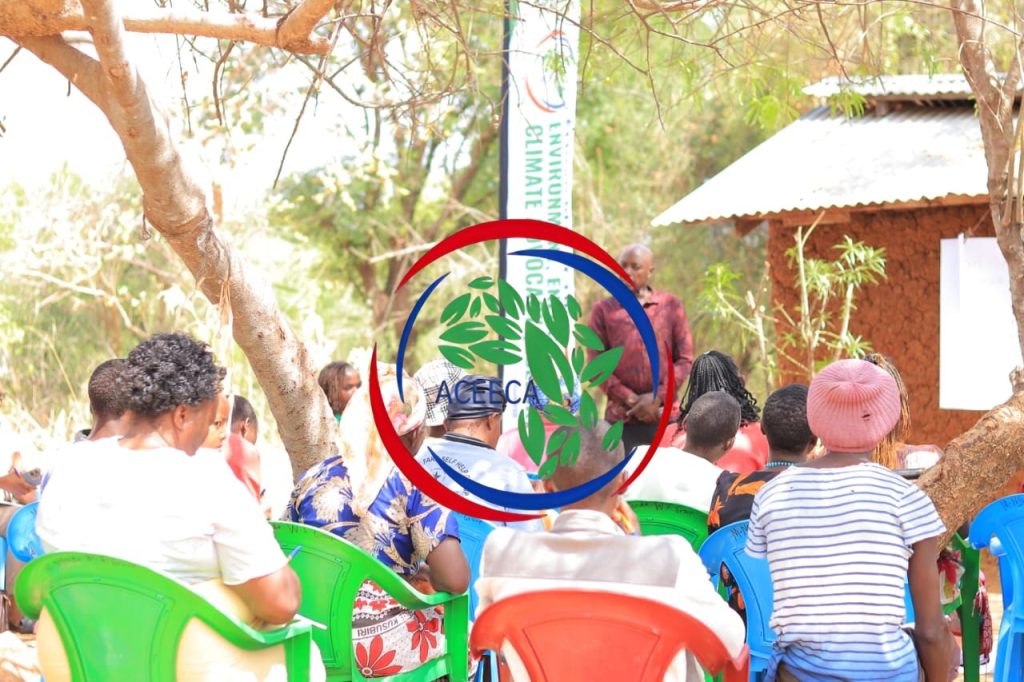
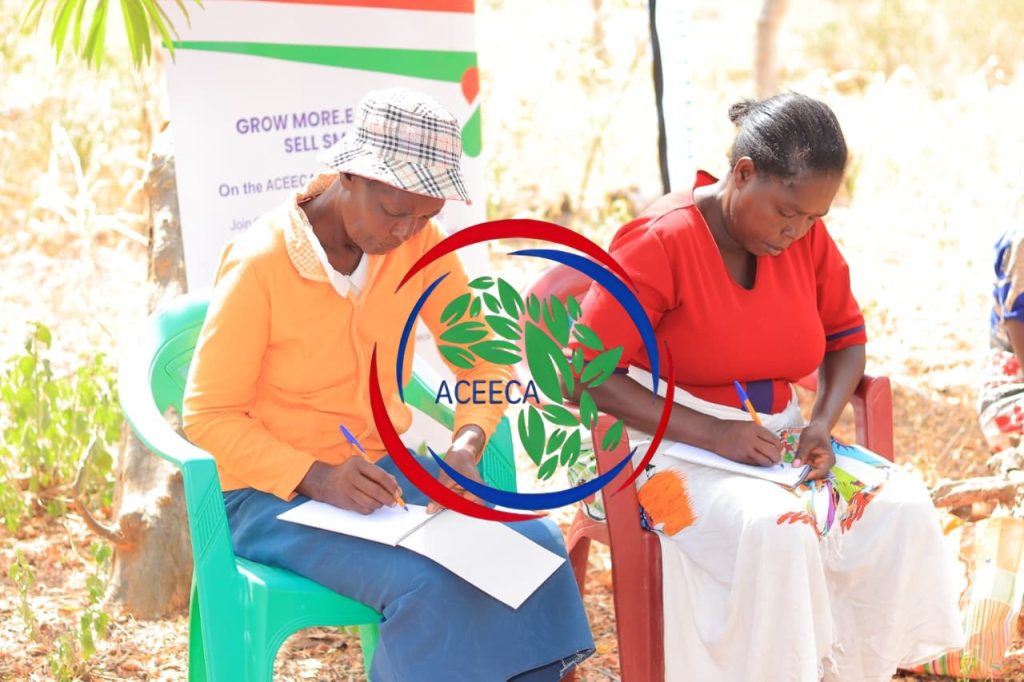
The training focused on fruit seed orchard development as a climate-smart solution. Participants learned how to select resilient fruit species, prepare nurseries, manage soil health, and integrate trees into existing farms. Practical demonstrations allowed women to gain confidence in techniques they could immediately apply.
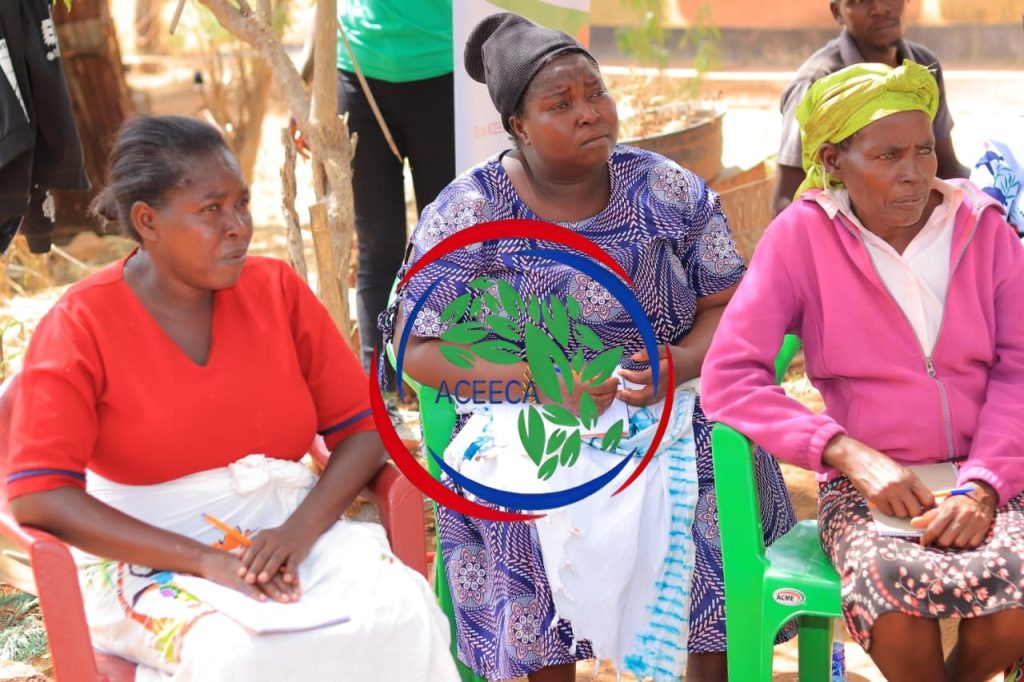
The atmosphere was collaborative and energetic. Women shared experiences, asked questions, and exchanged ideas. Youth participants brought enthusiasm and innovation, bridging traditional knowledge with modern practices.
Fruit Seed Orchards as a Tool for Climate Mitigation
Fruit seed orchards play a dual role. Environmentally, they contribute to carbon sequestration, restore degraded land, and support biodiversity. Economically, they provide sustainable income through fruit sales, seed production, and value addition.
For women, fruit orchards represent long-term security. Unlike seasonal crops, trees continue producing for years, offering stability in an uncertain climate. This long-term perspective aligns perfectly with women’s roles as planners and caregivers.
Women-Led Groups Driving Change on the Ground
Women-led groups are at the heart of ACEECA’s strategy. These groups provide platforms for collective learning, savings, and decision-making. Working together reduces risk, increases confidence, and strengthens social cohesion.
In Chiakariga, women’s groups emerged not just as participants, but as leaders—organizing nurseries, coordinating planting schedules, and mobilizing community support. Their leadership demonstrates how collective action amplifies impact.
Youth Engagement: Bridging Generations for Climate Resilience
Engaging youth alongside women ensures continuity. Young people bring energy, digital skills, and openness to innovation. When youth learn from women’s experiences, knowledge is transferred across generations.
This intergenerational collaboration strengthens community resilience, ensuring that climate-smart practices become embedded in local culture rather than short-term interventions.
Restoring Degraded Riparian Ecosystems
Riparian ecosystems play a crucial role in water regulation and biodiversity conservation. ACEECA’s restoration efforts focus on rehabilitating riverbanks through tree planting and sustainable land management.
Women’s involvement is critical here. As primary water users, women understand the importance of healthy riparian zones. Their participation ensures long-term protection and responsible use of restored ecosystems.
Economic Empowerment Through Sustainable Farming
Climate action must make economic sense. Fruit farming offers women opportunities to diversify income, access markets, and reduce vulnerability to crop failure. Increased income translates into better education, healthcare, and nutrition for families.
Economic empowerment also strengthens women’s voices in household and community decision-making, creating a positive feedback loop for development.
Nutrition, Livelihoods, and Climate Resilience
Improved nutrition is one of the most immediate benefits of women-led fruit farming. Access to fresh fruits enhances dietary diversity, particularly for children and expectant mothers.
At the same time, resilient livelihoods reduce dependency on food aid and external support. Communities become self-reliant, better equipped to withstand climate shocks.
Challenges Faced by Rural Women in Climate Action
Despite their potential, rural women face barriers including limited land ownership, access to finance, and decision-making power. Climate programs must address these structural challenges to unlock women’s full potential.
ACEECA’s model recognizes these realities, working through groups and partnerships to reduce barriers and amplify women’s agency.
Scaling Impact: Lessons for Development Organizations
The success of initiatives like the Chiakariga training offers valuable lessons. Development organizations must:
- Prioritize women’s leadership
- Invest in practical skills
- Integrate climate, livelihoods, and nutrition
- Foster community ownership
These principles are essential for sustainable impact.
The Road Ahead: Women at the Center of Climate Solutions
As climate challenges intensify, the need for inclusive, community-driven solutions becomes urgent. Rural women are not just affected by climate change—they are key to solving it.
Organizations that recognize and support women’s leadership will drive the most meaningful and lasting change.
Conclusion
The story of ACEECA’s work in Chiakariga Community is a powerful reminder that climate solutions do not have to be complex to be effective. By working with rural women, investing in agroforestry, and restoring ecosystems, development organizations can achieve climate mitigation, economic growth, and social transformation all at once. When women lead, communities thrive—and the planet benefits.


