
21,800 Trees in 22 Hours: A Record Attempt Rooted in Urgency, Hope, and Collective Climate Action
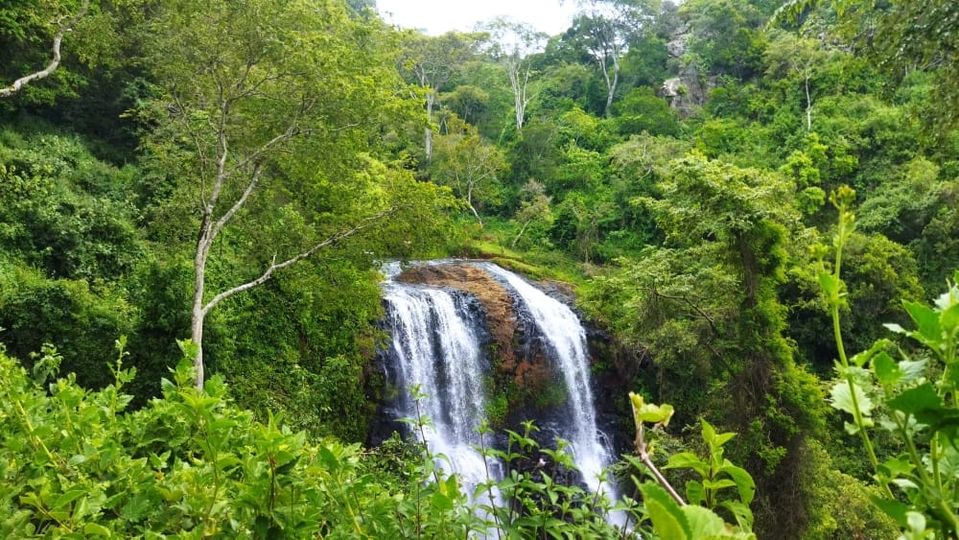
In the heart of Kessup Forest, where the rhythm of nature meets the resolve of human effort, an extraordinary act unfolded—one that speaks not only to endurance, but to purpose.
Hillary Kiplagat’s attempt to plant 21,800 trees within 22 hours is, on the surface, a pursuit of a Guinness World Record. Yet beyond the numbers lies something far more profound: a reflection of the urgency defining our moment, and the scale of action required to restore the ecosystems we depend on.
For nearly a full day, without pause, each seedling placed into the soil became part of a larger narrative—one of resilience, restoration, and responsibility.
More Than a Record
Across Africa and the world, forests are under increasing pressure from climate change, deforestation, and unsustainable land use. The consequences are visible: shrinking water sources, degraded soils, and declining biodiversity.
Against this backdrop, initiatives like this are not symbolic—they are essential.
Tree planting, when done sustainably and in the right ecological context, plays a critical role in:
- Restoring degraded landscapes
- Protecting watersheds and river systems
- Enhancing biodiversity
- Strengthening community resilience to climate shocks
Kiplagat’s effort underscores a powerful truth: meaningful environmental action is not confined to policy rooms or global summits. It is happening on the ground—often led by individuals and communities who understand the land intimately.
A Moment That Invites Collective Action
What makes this moment particularly significant is not only the scale of the effort, but the conversation it invites.
If one individual can mobilize such impact within 22 hours, what becomes possible when communities, organizations, and governments align their efforts?
At the African Centre for Environment, Energy, and Climate Advocacy (ACEECA), this question is central to our work. Across Kenya, we are supporting ecosystem restoration initiatives that place communities at the forefront—recognizing that sustainable change is built through local ownership and long-term commitment.
From riverine restoration projects to climate resilience programs, the goal remains clear: to move from isolated actions to coordinated, scalable solutions.
From Action to Impact
While record attempts capture attention, the true measure of success lies in what follows.
The survival and growth of these 21,800 trees will depend on continued care, community engagement, and ecological stewardship. Restoration is not a moment—it is a process.
This is where partnerships matter. Governments, civil society, private sector actors, and local communities each have a role to play in ensuring that today’s planting becomes tomorrow’s forest.
A Shared Responsibility
As the world races to meet climate targets and reverse environmental degradation, stories like this remind us that transformation is within reach—but only if matched with sustained action.
The path forward is not defined by individual milestones alone, but by collective momentum.
Kessup Forest now holds more than newly planted seedlings. It holds a message—quiet yet powerful—that the work of restoring our planet is both urgent and possible.
At ACEECA, we believe this is a moment to build on.
To act faster.
To collaborate deeper.
And to recognize that every effort, no matter how large or small, contributes to a shared future.