
Scaling Ecosystem Restoration Through Community Stewardship: ACEECA Plants 5,000 Trees Along River Gituma
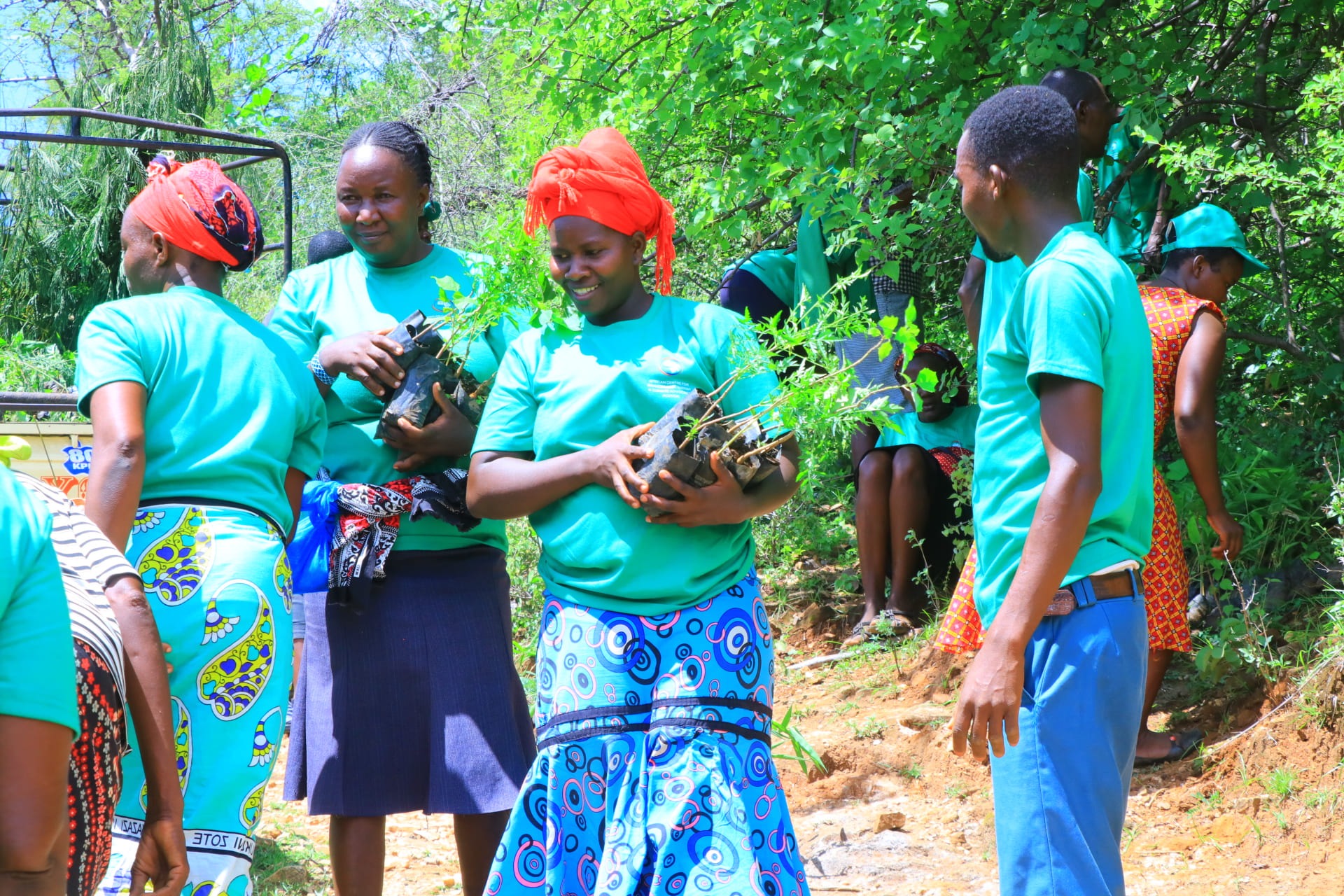
In a significant step toward restoring Kenya’s fragile riverine ecosystems, the African Centre for Environment, Energy, and Climate Advocacy (ACEECA), in partnership with the River Gituma community, successfully planted 5,000 tree seedlings along the River Gituma corridor on 15 April 2026.
The initiative forms part of a broader landscape restoration programme targeting 10,000 trees across a 10-kilometre stretch spanning River Gituma and River Muthangacwa. The intervention is aligned with Kenya’s national climate commitments and global efforts to accelerate ecosystem restoration under the United Nations Decade on Ecosystem Restoration.
The tree species planted—Neem (Azadirachta indica), Melia volkensii, Asper bamboo, Acacia cassia, and Gmelina arborea—were carefully selected for their adaptability to semi-arid and riverine ecosystems. These species are known for their resilience, fast growth, and ability to stabilize soils, enhance biodiversity, and improve water retention.
“This initiative reflects the power of community-driven climate action,” said Mr. nicholas Mwenda, ACEECA Project Officer. “By restoring degraded riverbanks, we are not only protecting vital water sources but also strengthening livelihoods and building resilience against climate change.”
River Gituma, like many seasonal rivers in eastern Kenya, has experienced increasing degradation due to deforestation, soil erosion, and erratic rainfall patterns linked to climate change. The loss of vegetation cover has led to reduced water quality, siltation, and diminished ecosystem services for surrounding communities.
Through this restoration effort, ACEECA is promoting a nature-based solution that integrates environmental protection with socio-economic benefits. Bamboo, for instance, plays a critical role in riverbank stabilization and offers potential income streams through sustainable harvesting. Similarly, Melia volkensii and Neem trees provide timber, medicinal value, and shade, contributing to both ecological and community resilience.
The exercise brought together local farmers, youth groups, and community leaders, reinforcing a participatory approach to environmental governance. Community members were actively involved in site preparation, planting, and are expected to take ownership of ongoing maintenance and monitoring.
This initiative is anchored within ACEECA’s broader strategic pillars on Environmental Protection and Climate Action, which emphasize community stewardship, ecosystem restoration, and sustainable land management practices.
Beyond tree planting, the project integrates awareness creation on climate change, sustainable agriculture, and watershed management. It also contributes to long-term carbon sequestration, supporting Kenya’s transition to a low-carbon, climate-resilient development pathway.
As climate impacts intensify across the Horn of Africa, initiatives such as this underscore the urgency of scaling up locally-led solutions that are both sustainable and inclusive.
ACEECA continues to call on partners, stakeholders, and communities to support and replicate ecosystem restoration efforts as a pathway to securing environmental sustainability and improving livelihoods.